
The Seveso disaster, which occurred on July 10, 1976, in Seveso, Italy, stands as a stark reminder of the devastating consequences of industrial accidents involving highly toxic substances. The release of dioxin, specifically 2,3,7,8-tetrachlorodibenzo-p-dioxin (TCDD), from a chemical plant contaminated a vast area, causing chloracne and other severe health problems in the exposed population. This incident not only highlighted the extreme toxicity of dioxins but also spurred significant changes in industrial safety regulations and environmental awareness worldwide.
The Chemical Culprit: 2,3,7,8-Tetrachlorodibenzo-p-dioxin (TCDD)
TCDD, the primary contaminant released in Seveso, is a persistent organic pollutant (POP) and one of the most toxic dioxins. It is not intentionally produced but is a byproduct of certain chemical processes, in this case, the production of trichlorophenol (TCP). From a forensic toxicology perspective, TCDD’s properties are crucial:
- Extreme Toxicity: TCDD is toxic in extremely small amounts. Exposure is measured in picograms (trillionths of a gram) per kilogram of body weight.
- Persistence: TCDD is highly persistent in the environment, meaning it breaks down very slowly. This persistence leads to long-term contamination of soil, water, and the food chain.
- Bioaccumulation: TCDD bioaccumulates in fatty tissues, meaning it builds up in the bodies of exposed organisms over time. This accumulation can lead to higher concentrations in animals at higher trophic levels, including humans.
- Mechanism of Toxicity: TCDD exerts its toxic effects by binding to the aryl hydrocarbon receptor (AhR), a protein found in cells. This binding triggers changes in gene expression, leading to a wide range of toxic effects.
The Incident: A Runaway Reaction
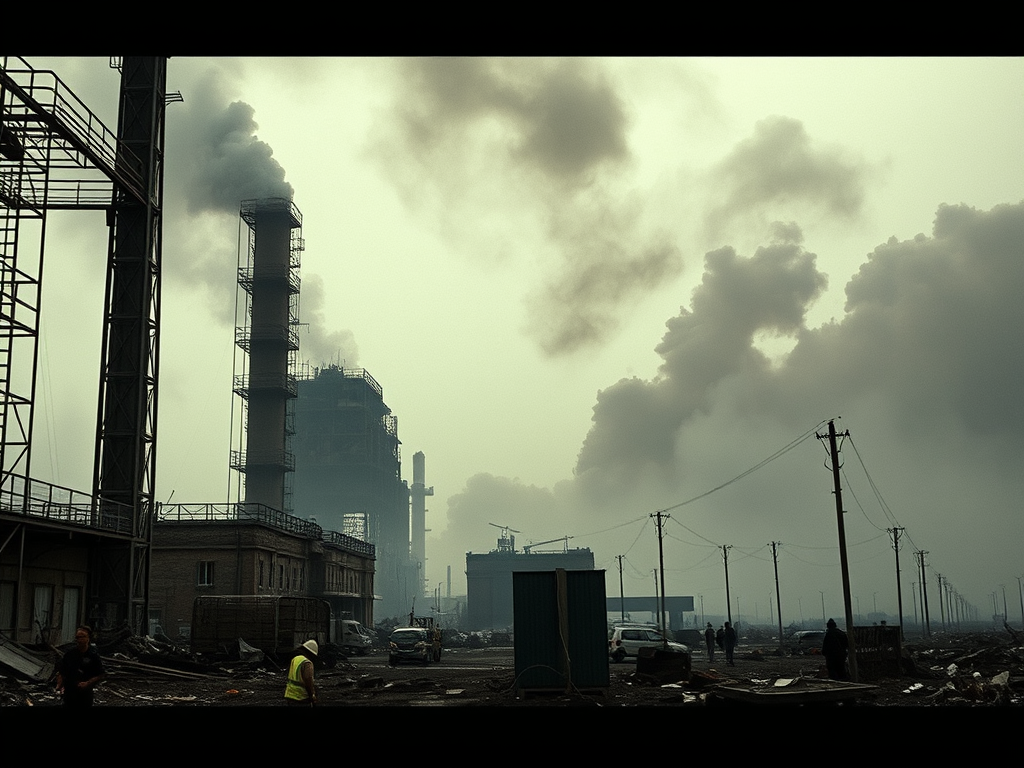
The accident occurred at the ICMESA chemical plant, which produced TCP. A runaway exothermic reaction during TCP production led to the rupture of a safety valve and the release of a cloud containing TCDD, among other chemicals. The cloud drifted southeast, contaminating a large area divided into zones based on the level of contamination.
Immediate and Long-Term Health Effects:
The immediate effects of the TCDD release were primarily characterized by:
- Chloracne: A severe and disfiguring skin condition characterized by persistent cysts and lesions, particularly on the face, neck, and back. Chloracne was a hallmark of TCDD exposure in Seveso.
The long-term health effects of TCDD exposure are more complex and have been the subject of ongoing research:
- Cancer: Studies have suggested an increased risk of certain cancers, including soft-tissue sarcomas, non-Hodgkin lymphoma, and Hodgkin’s disease, in individuals exposed to TCDD.
- Reproductive and Developmental Effects: TCDD exposure has been linked to reproductive problems, including decreased fertility and an increased risk of birth defects.
- Immune System Dysfunction: TCDD can suppress the immune system, making individuals more susceptible to infections.
- Other Health Issues: Other reported health effects include neurological problems, cardiovascular disease, and diabetes.
The Investigation and Cleanup:
The Seveso disaster prompted a massive cleanup effort, involving the removal and disposal of contaminated soil and vegetation. The investigation focused on:
- Determining the extent of contamination: Mapping the affected area and measuring TCDD levels in soil, water, and vegetation.
- Identifying exposed individuals: Establishing a registry of exposed individuals for long-term health monitoring.
- Studying the health effects of TCDD: Conducting epidemiological studies to assess the long-term health consequences of exposure.
Lessons Learned:
The Seveso disaster had a profound impact on industrial safety and environmental regulations:
- Increased Awareness of Dioxin Toxicity: The incident brought widespread attention to the dangers of dioxins and the need for stricter controls on their production and use.
- Stricter Industrial Safety Regulations: The Seveso Directive, adopted by the European Union, was a direct result of the disaster and aimed to prevent similar accidents by requiring stricter safety measures at chemical plants.
- Emphasis on Risk Assessment and Management: The disaster highlighted the importance of thorough risk assessment and management for hazardous chemicals.
- Community Involvement and Transparency: The Seveso disaster underscored the need for greater community involvement and transparency in industrial operations.
The Seveso disaster serves as a crucial case study in environmental toxicology and forensic science. It demonstrates the long-lasting and devastating consequences of chemical accidents and emphasizes the need for constant vigilance and proactive measures to prevent future tragedies. The ongoing research and monitoring of the Seveso population continue to provide valuable insights into the long-term effects of TCDD exposure, contributing to our understanding of dioxin toxicity and informing public health policy.

 Forensic Articles